Digital Spolia
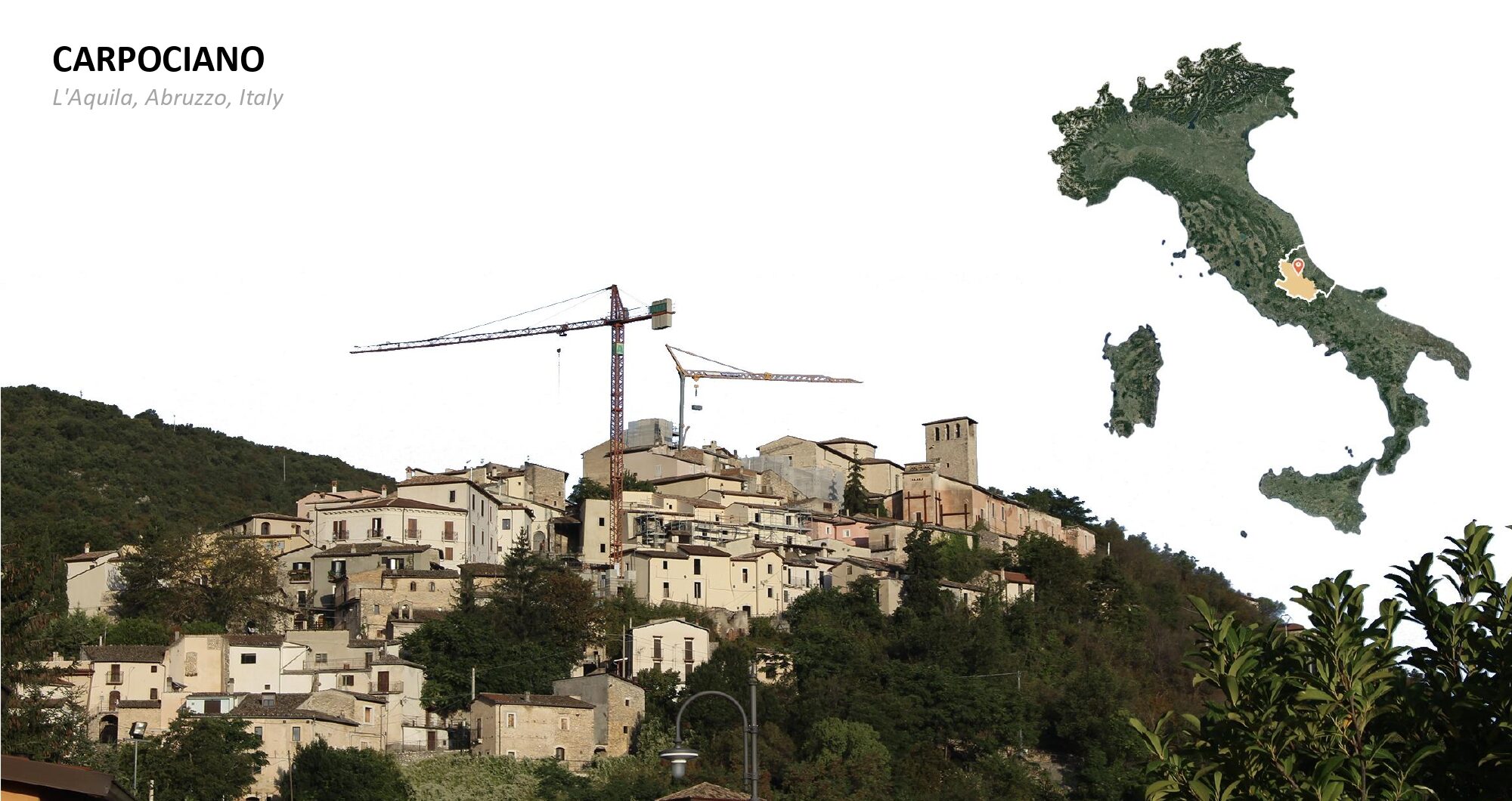
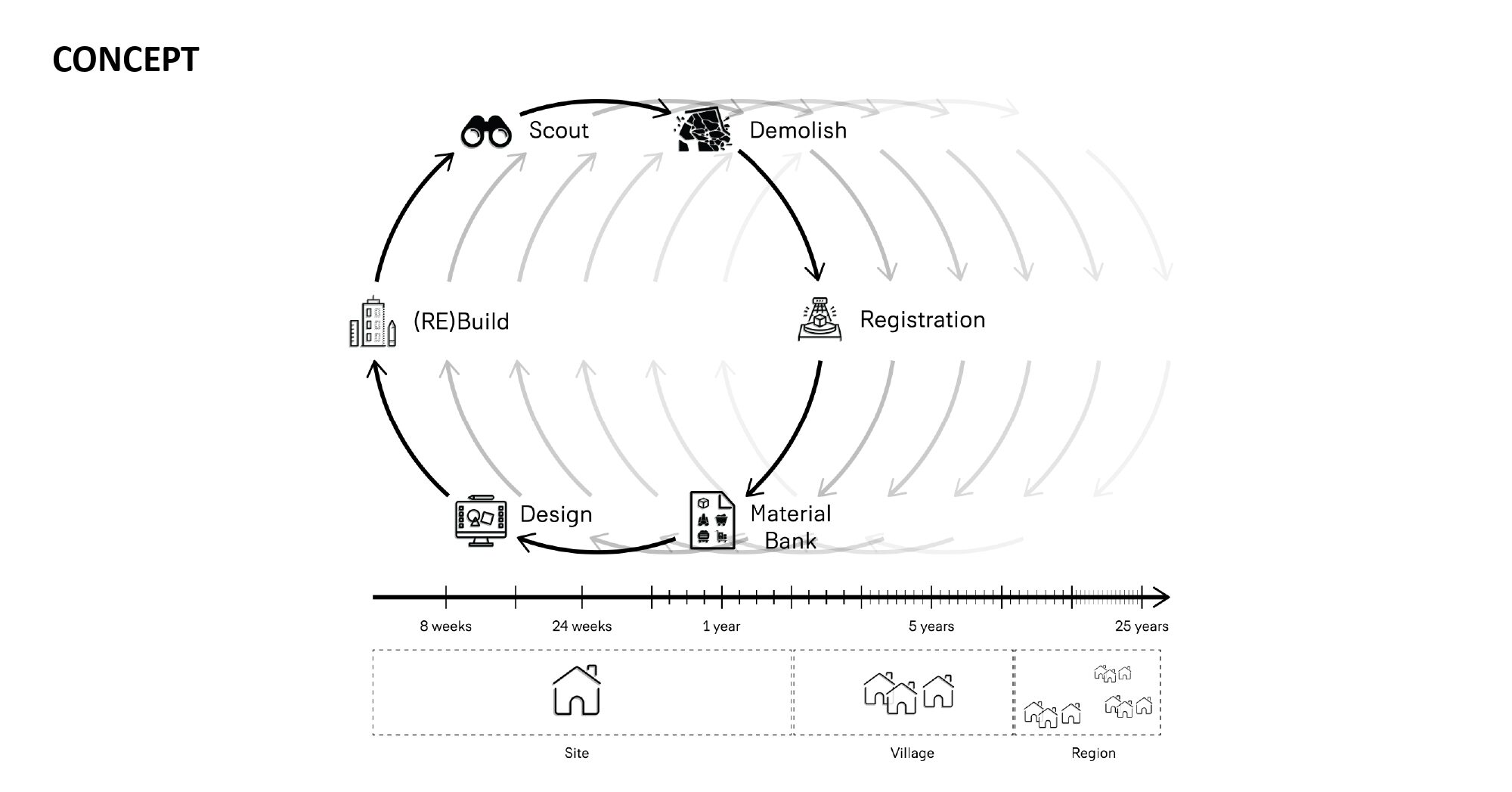
This project centers on the sustainable revitalization of Caporciano, a small Italian village in Abruzzo that has suffered both from the 2009 earthquake and ongoing urbanization. Instead of allowing the cultural and architectural heritage to fade, the initiative transforms the existing decay into a platform for growth and learning. At the heart of the concept is a continuous construction workshop that brings together local craftsmen, global visitors, and students. This workshop focuses on traditional building techniques and the reuse of architectural "spolia," breathing new life into old materials and local traditions.
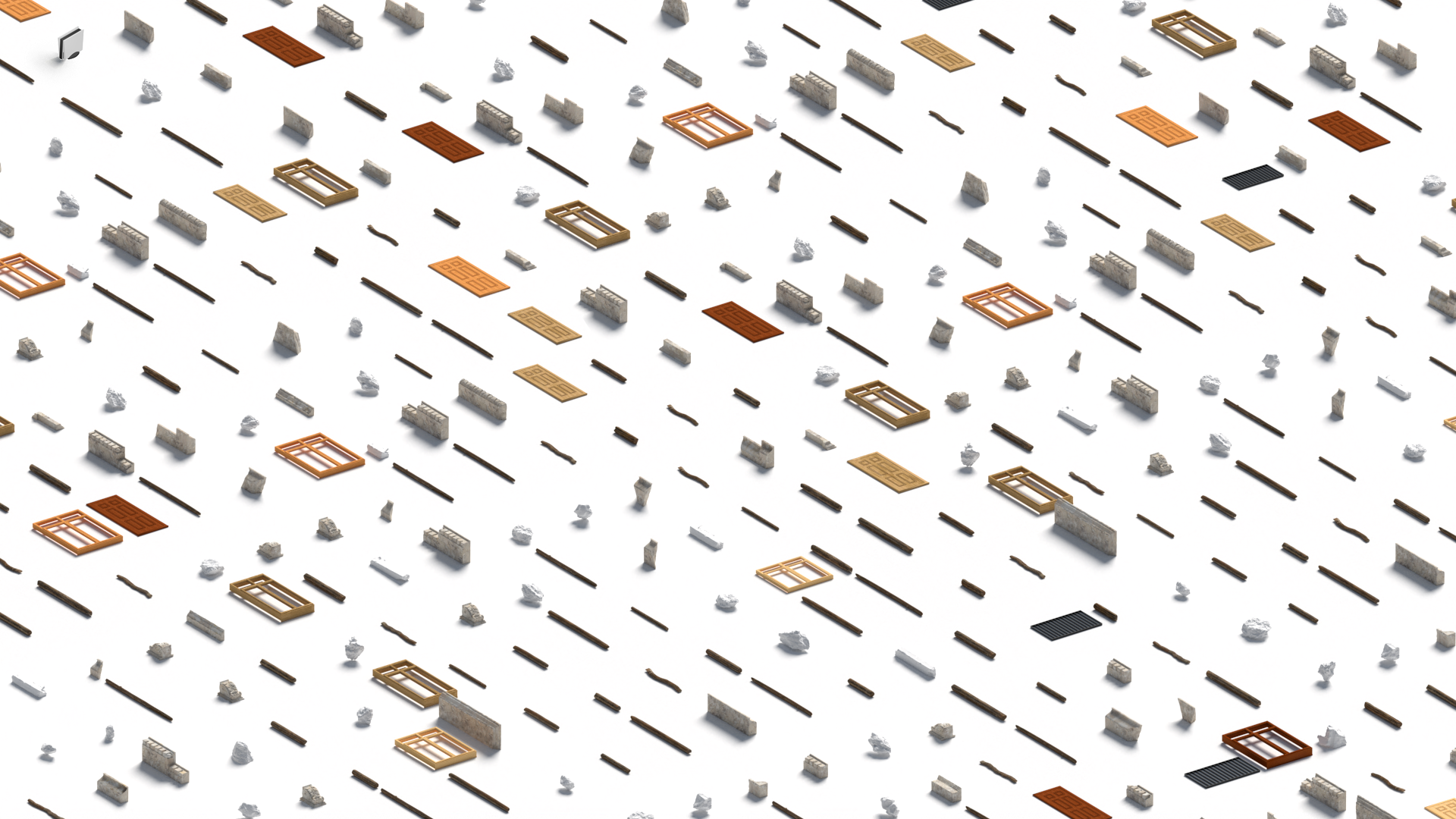
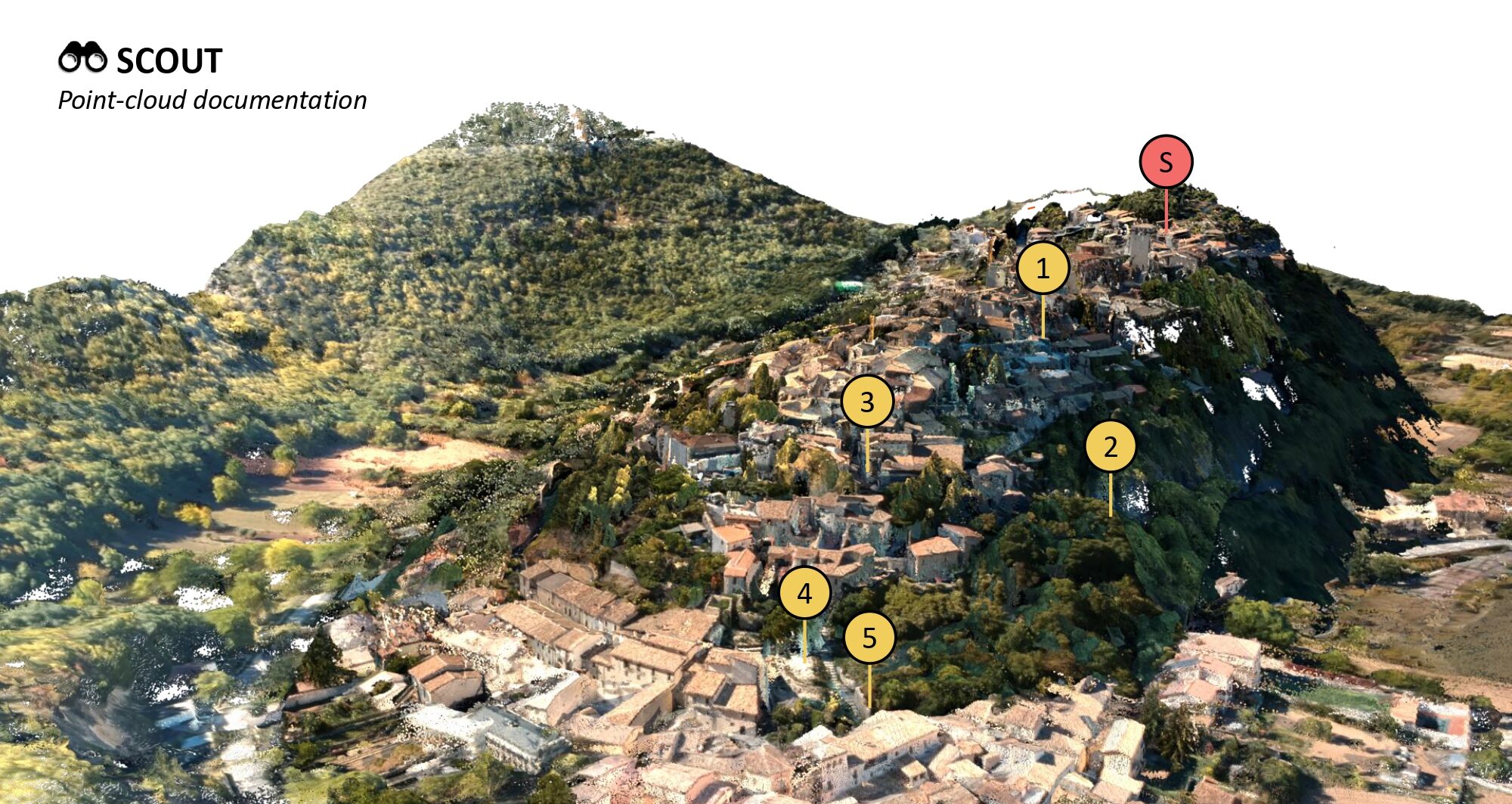
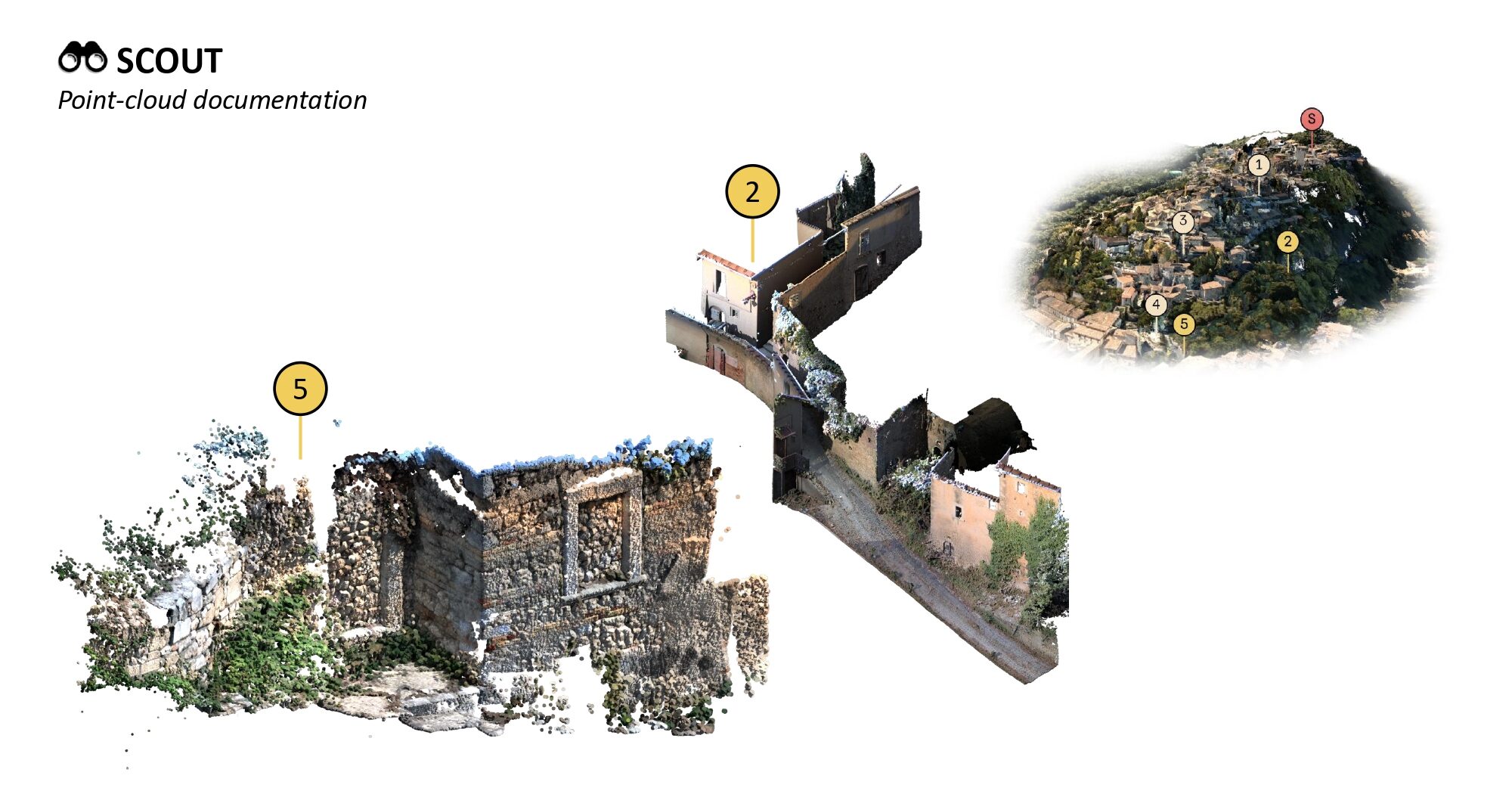
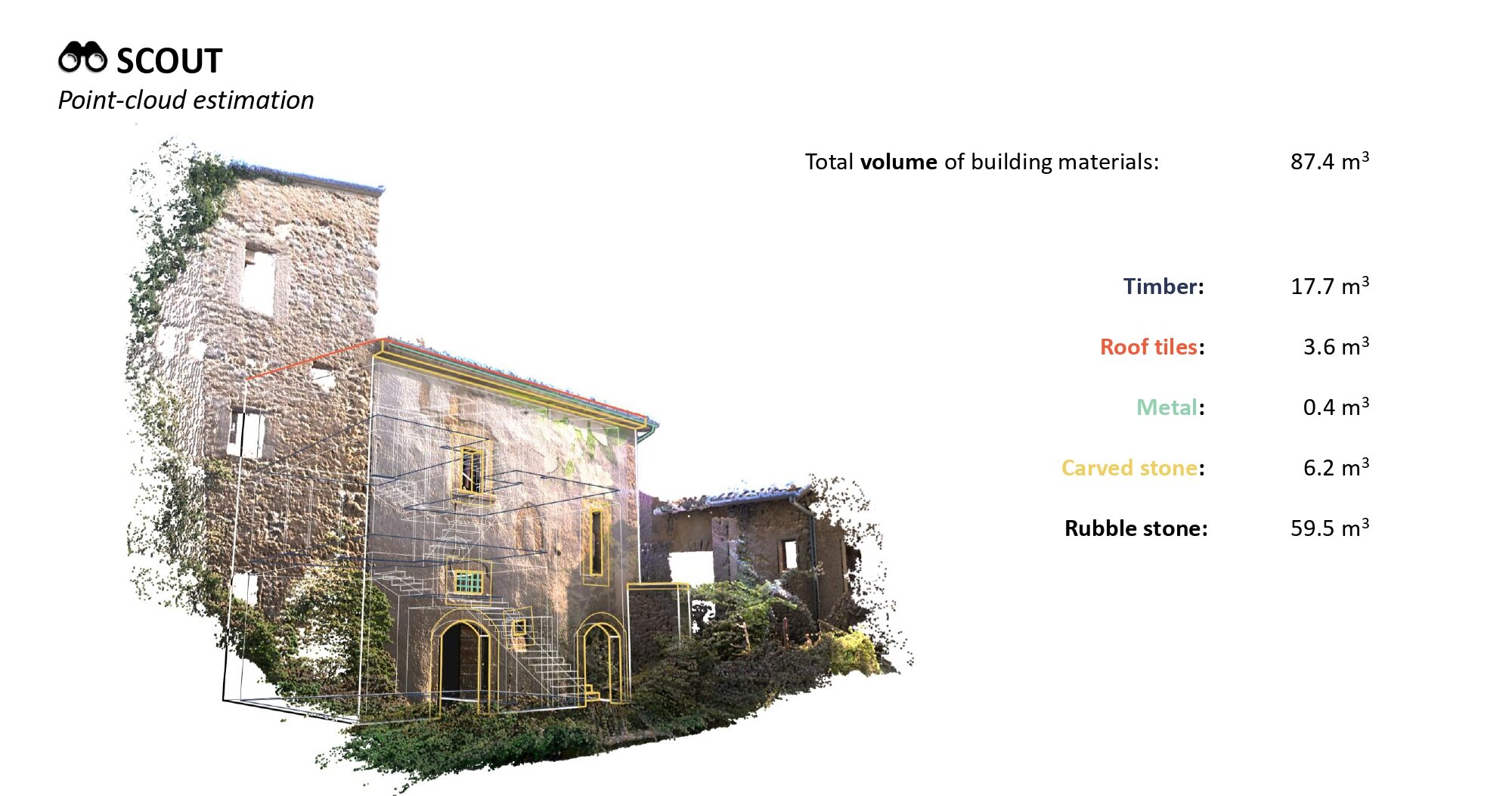
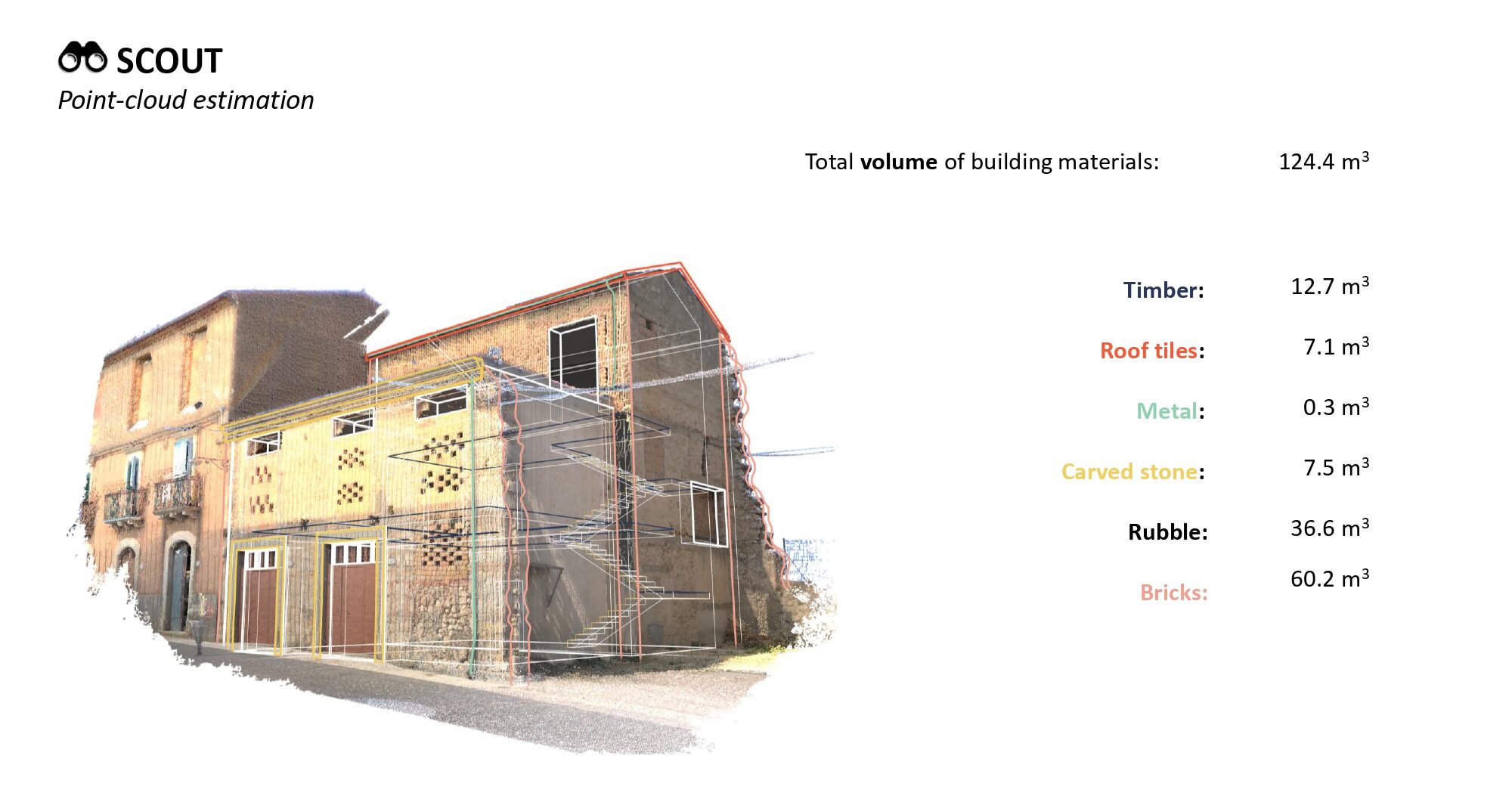
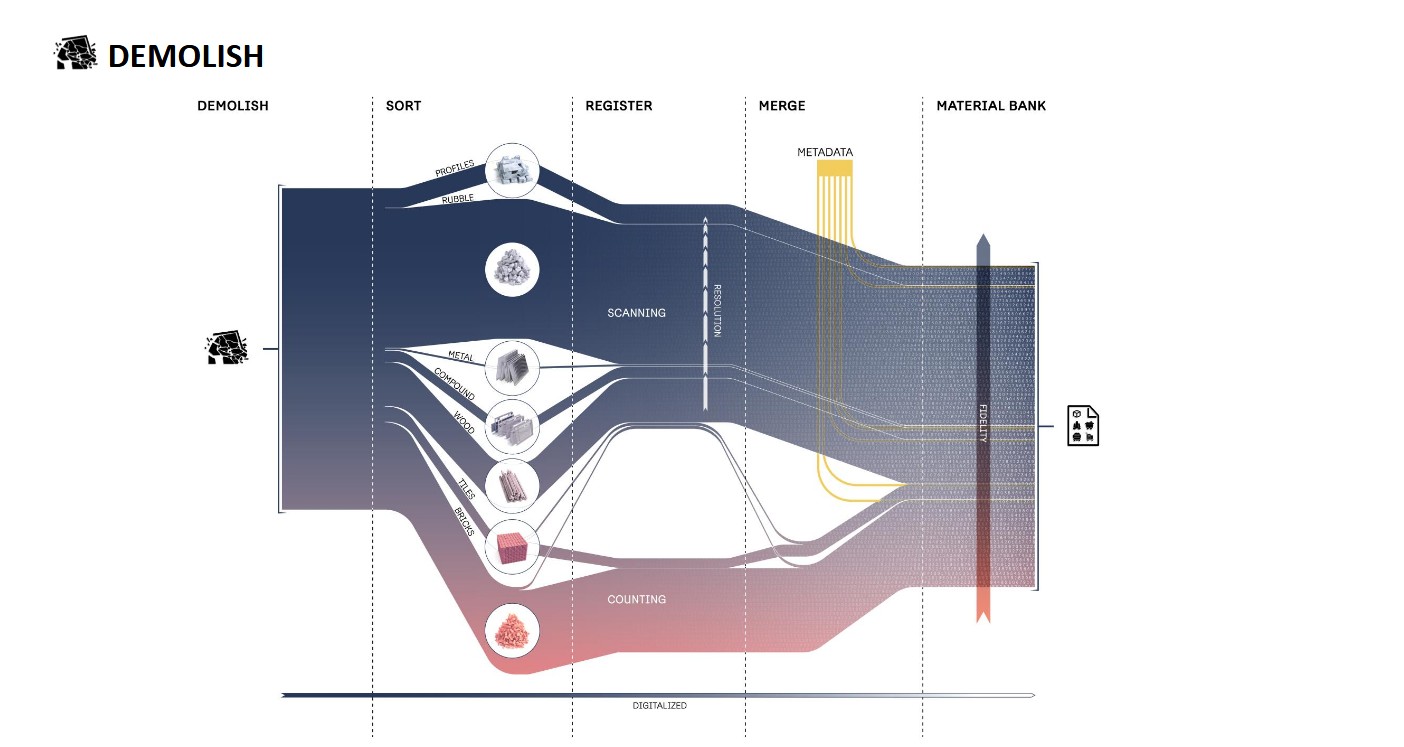
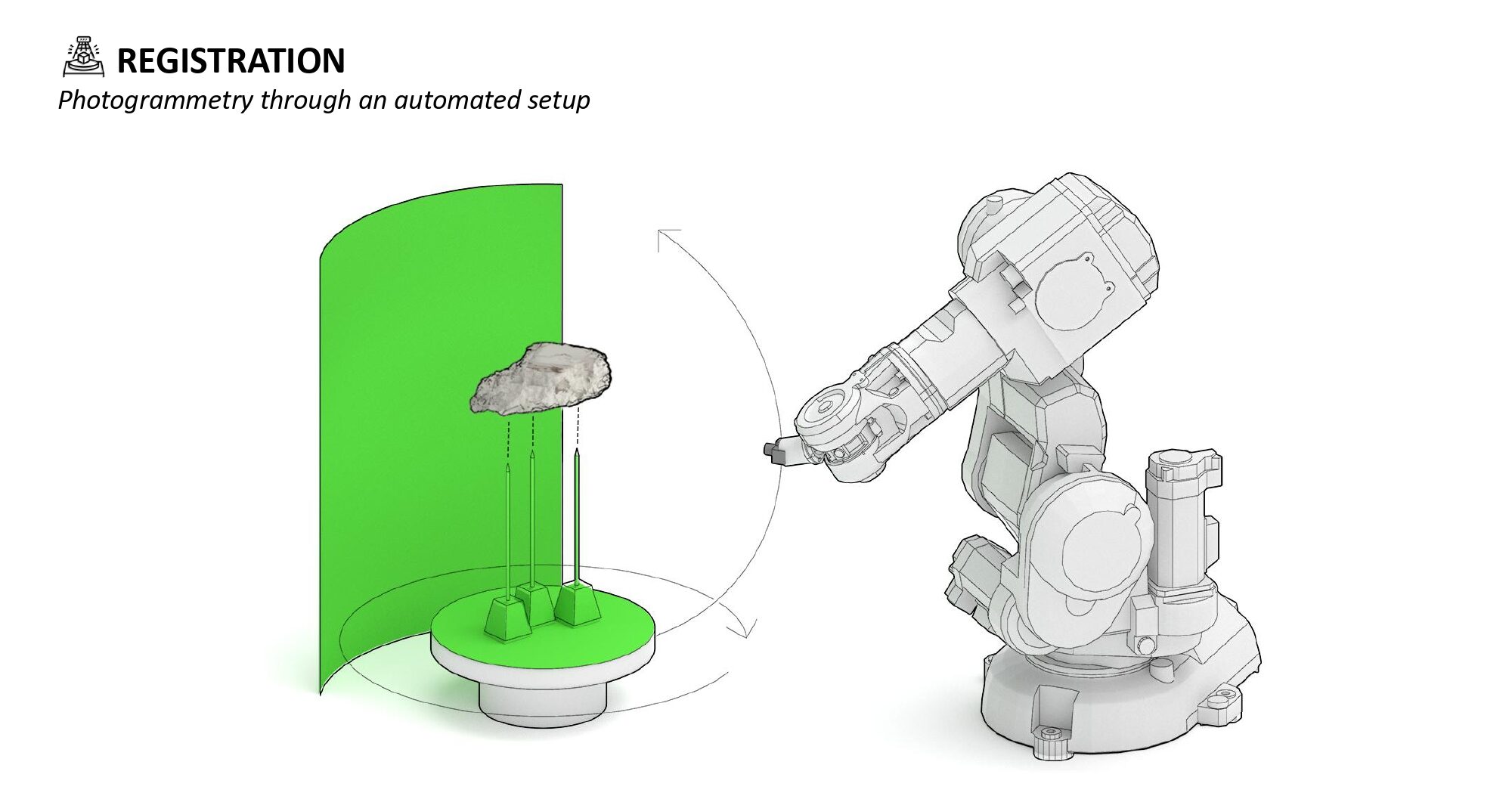
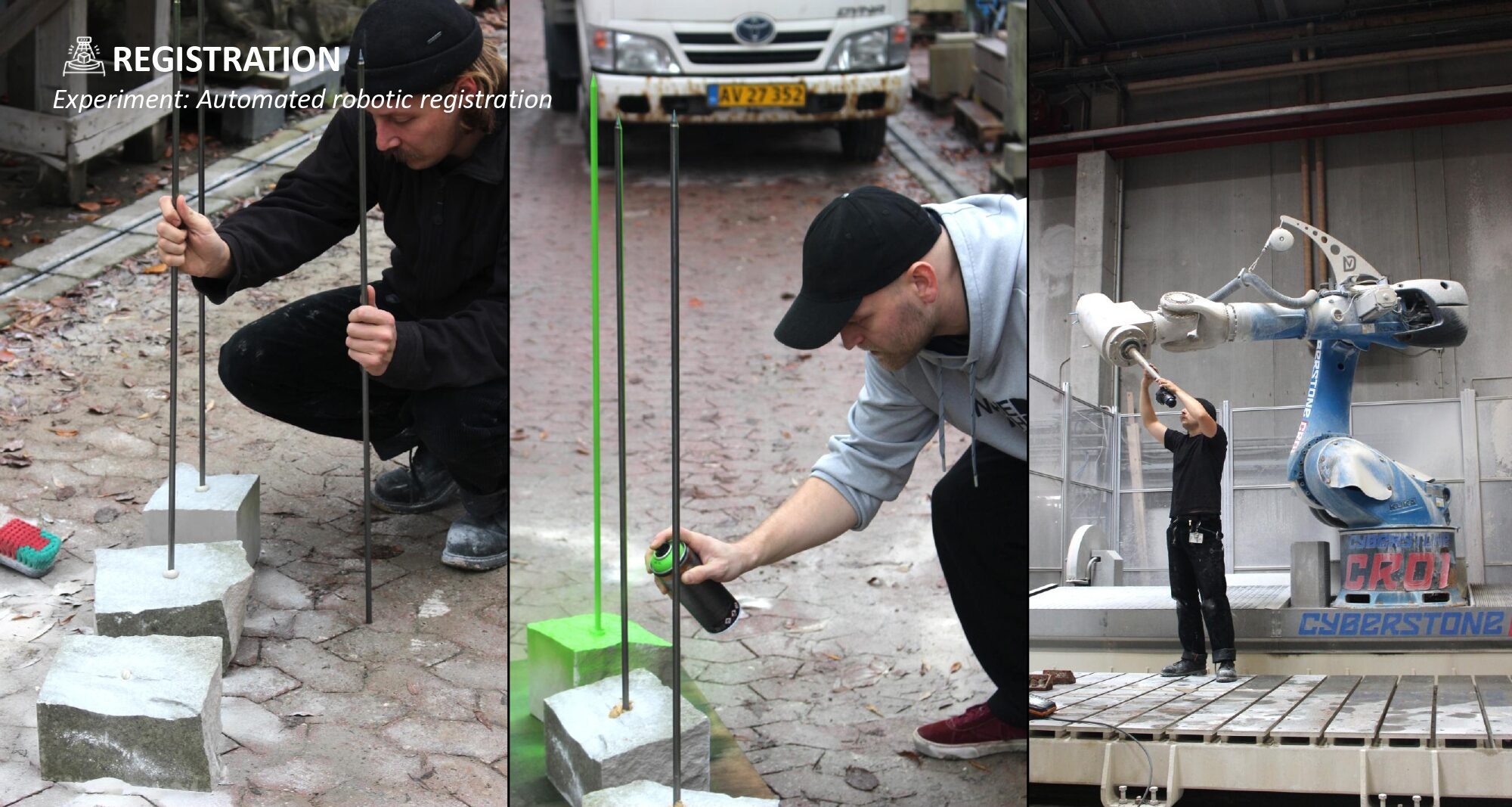
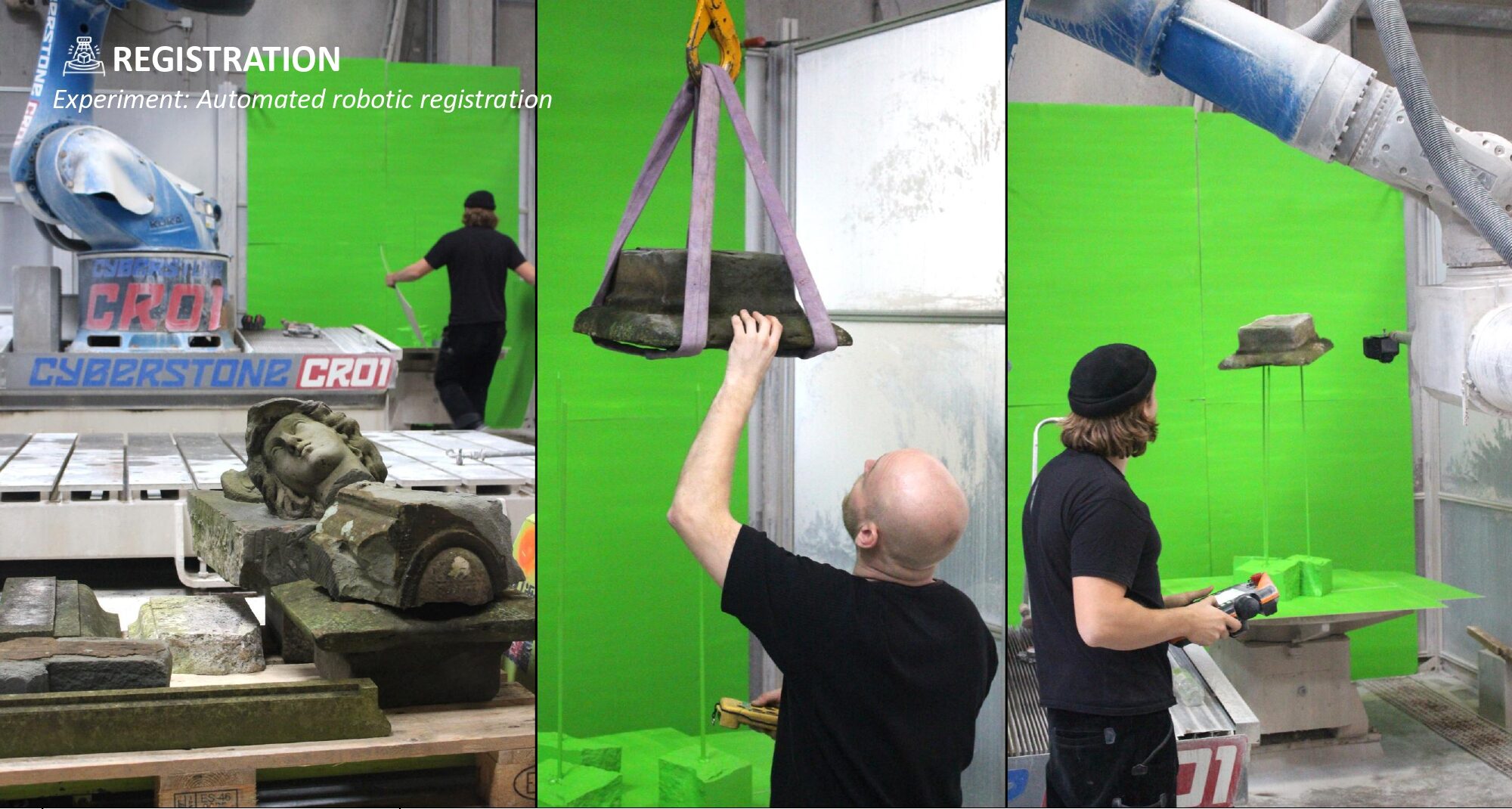
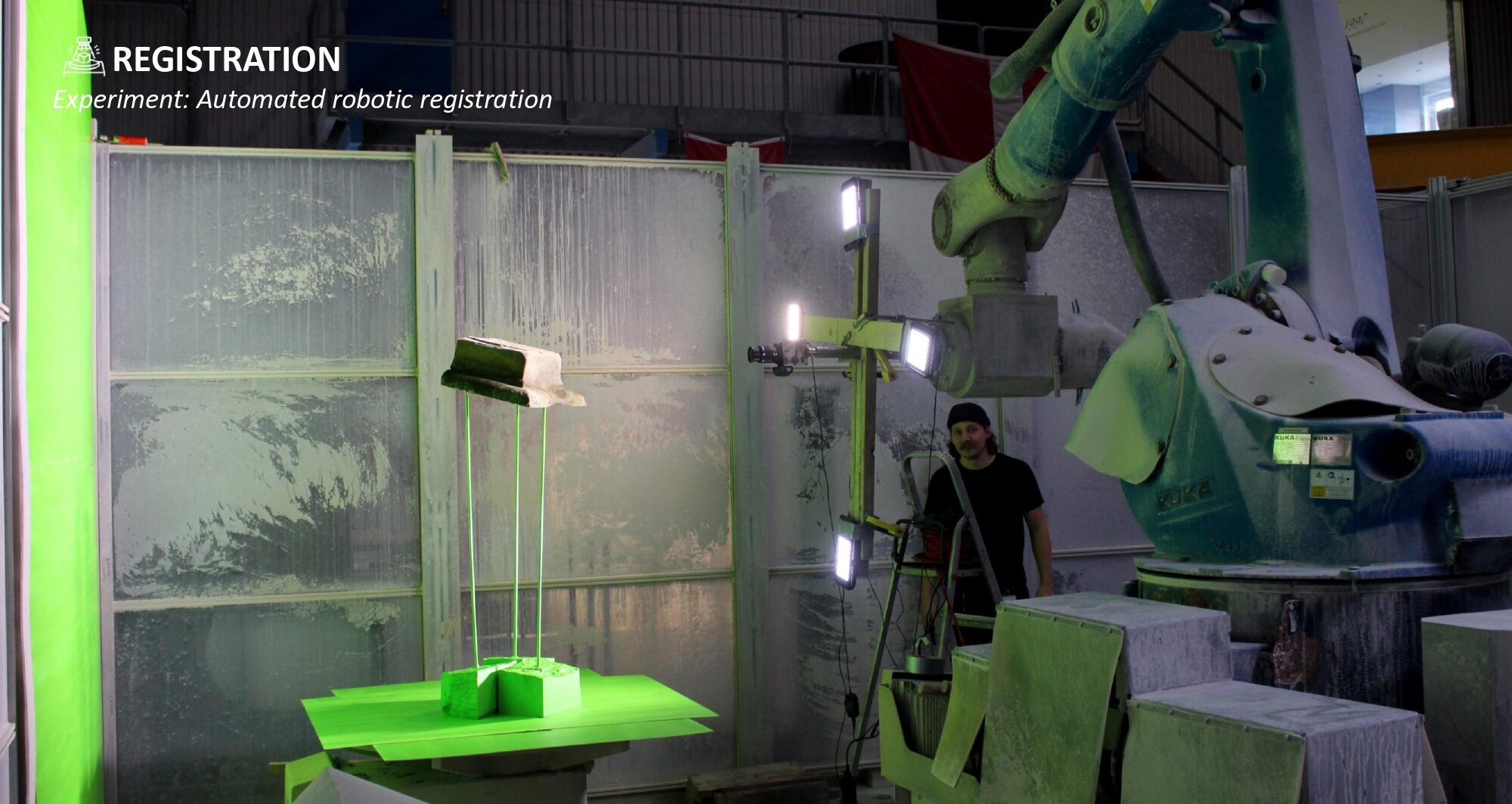
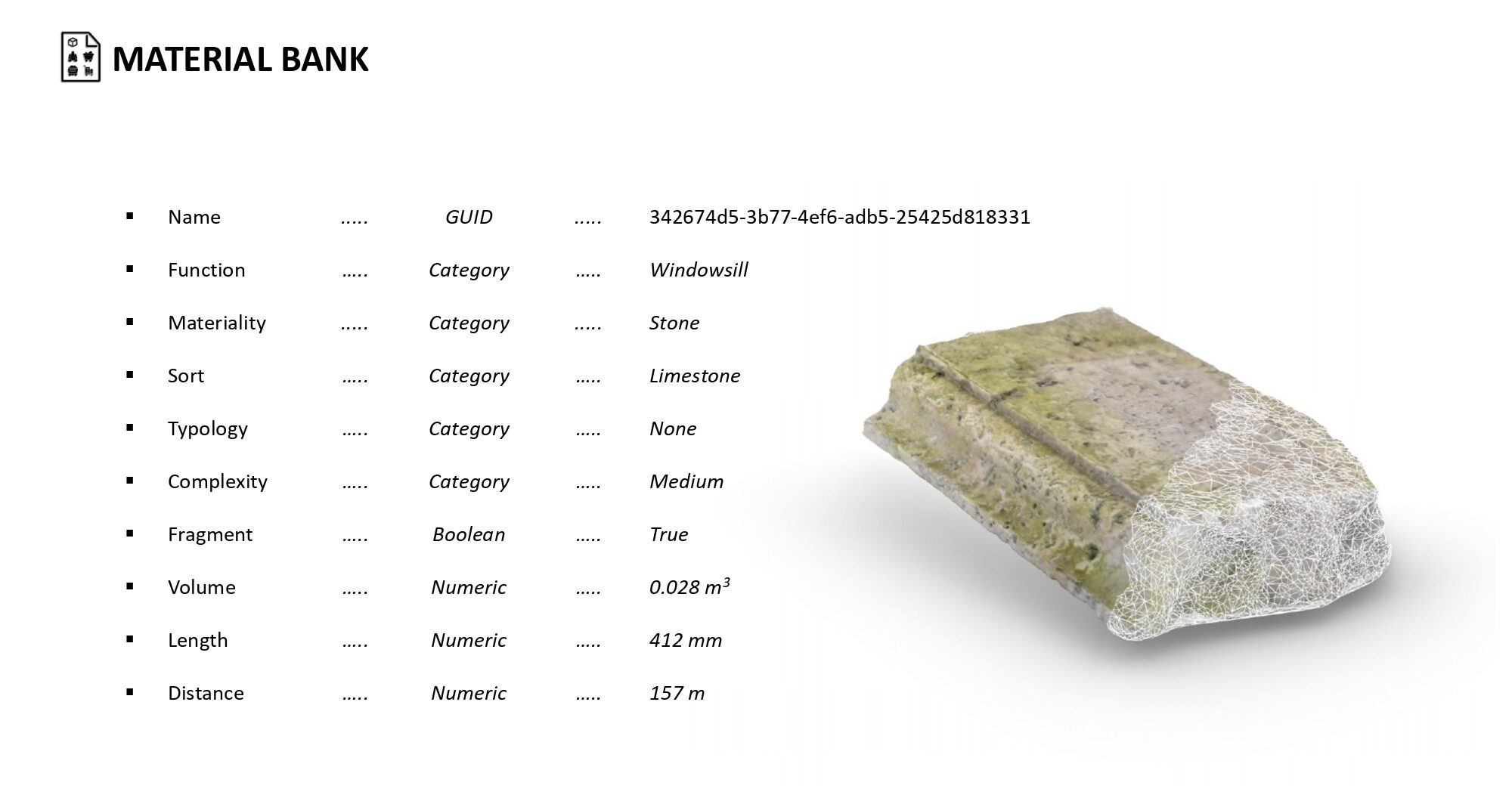
The approach begins with thorough site analysis, digital documentation, and the careful dismantling of selected ruins to collect valuable materials. Advanced techniques such as LiDAR scanning and photogrammetry allow for precise digital modeling, cataloging, and understanding of each reclaimed component. These elements are recorded in a digital material bank—a virtual repository that makes it possible to analyze and interact with architectural fragments from anywhere in the world. By bridging the gap between physical materials and digital representations, the project merges the ancestral craft of stone and woodwork with cutting-edge computational design methods.
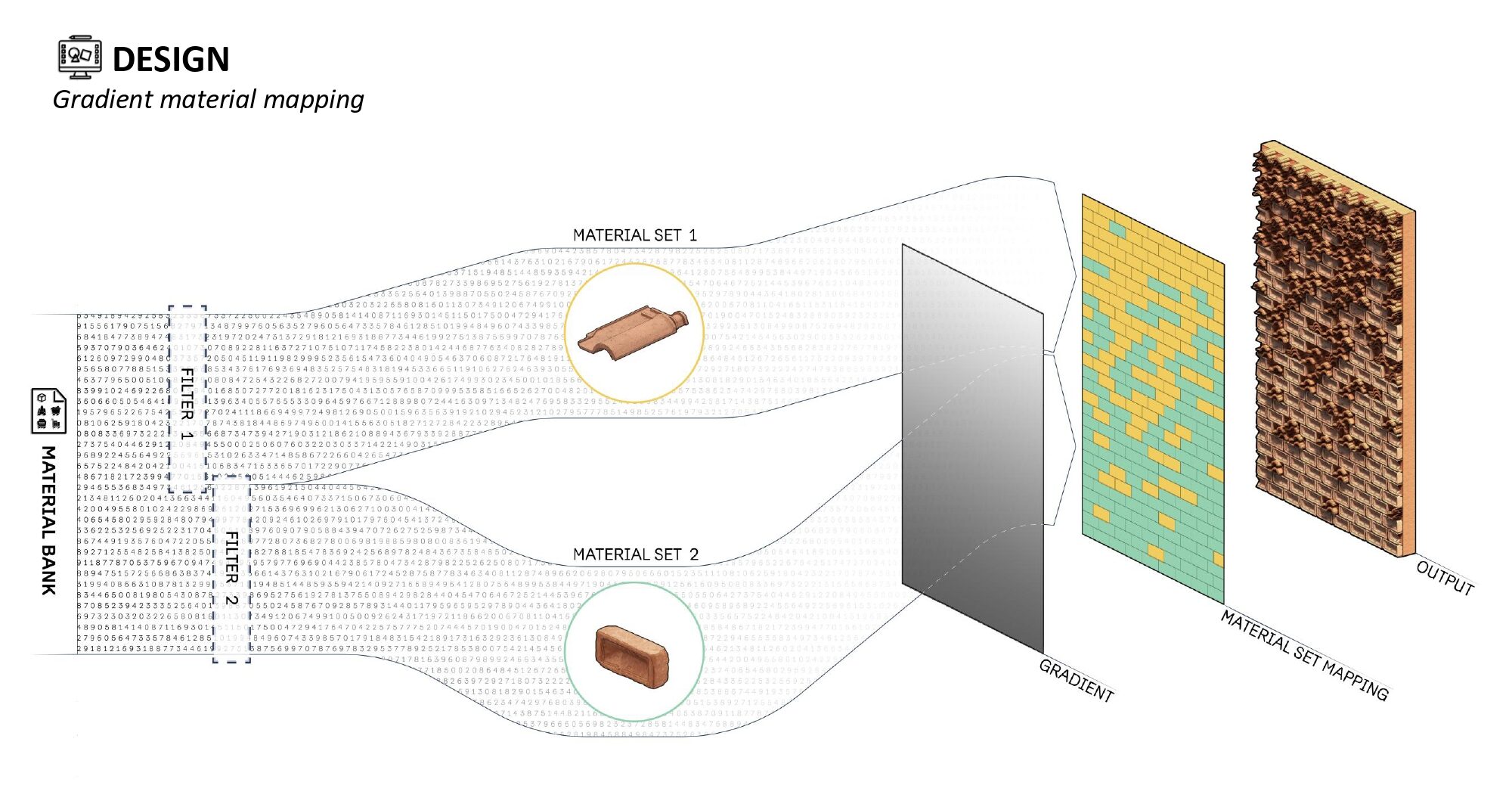
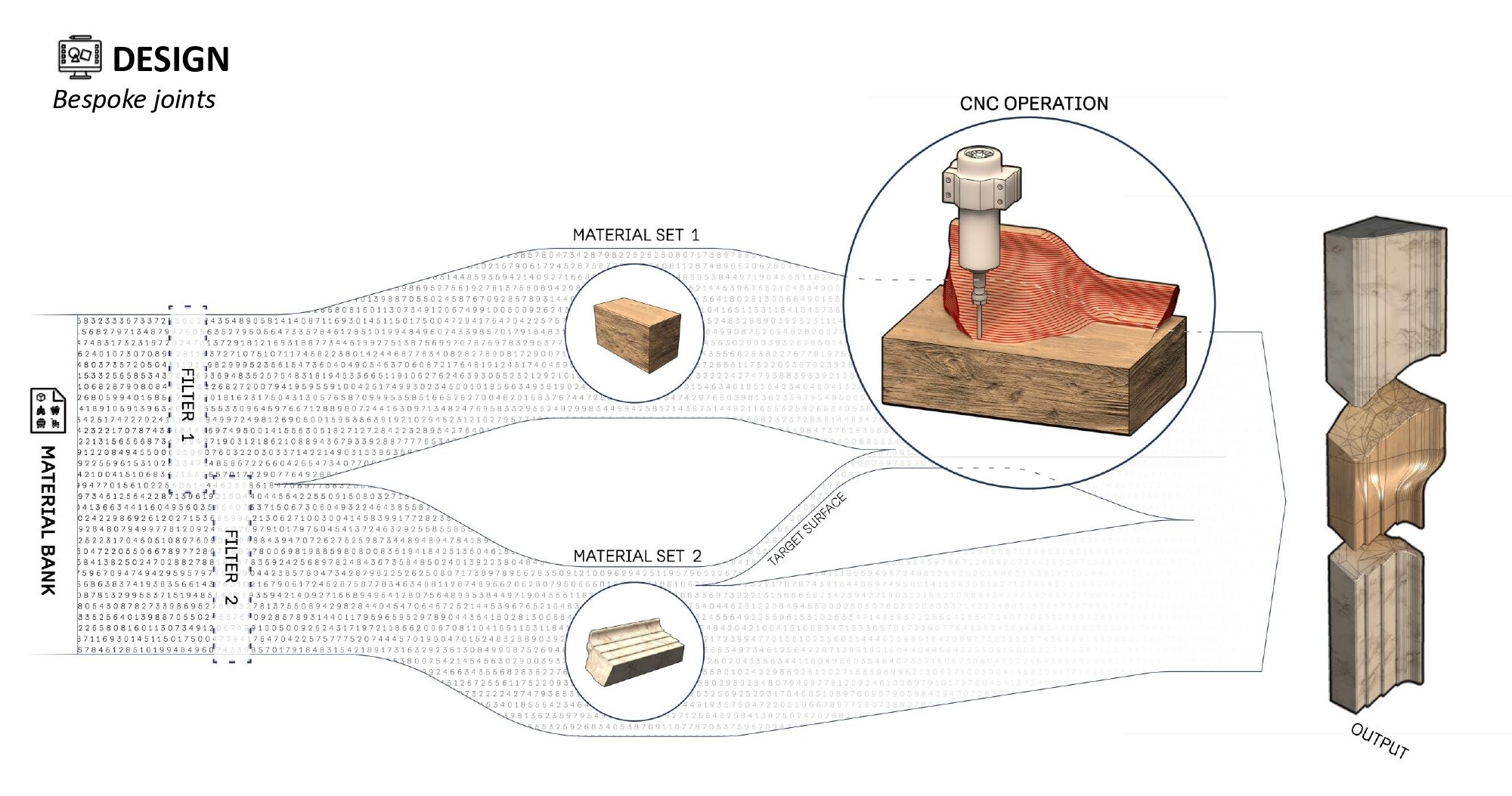
With this digital platform in place, the project explores new design approaches: from algorithmic placement of tiles and bricks to the fabrication of bespoke joints using CNC milling. It envisions a future in which reclaimed pieces are not merely stacked, but thoughtfully integrated into new builds that respect the local aesthetic and cultural identity. The physical act of constructing walls, beams, or stairs is guided by digital insights, ensuring each intervention enhances Caporciano's character, rather than eroding it.
Ultimately, the continuous workshop and digital material bank serve as catalysts for Caporciano's broader revitalization. Visitors and learners from afar can join local craftsmen to create a sustainable, innovative architectural practice that honors the past while embracing the future.
Project Credits
- Concept
- Sandro Siefert, Sören Henning
- Supervisor
- Nadja Gaudillière-Jami, Martin Tamke
- Modelling
- Sören Henning, Sandro Siefert
- Programming
- Sandro Siefert
- Workshop & Robot
- A/S Forenede Stenhuggerier
- Imagery
- Sören Henning, Sandro Siefert
Gallery